About Treviso
Treviso is an attractive town in the Veneto region of north-east Italy, with a population of 85,000. From a tourist point of view, it suffers from its proximity to glamorous Venice; Treviso’s meandering waterways and tranquillity just can’t compete with the overwhelming charms of its neighbour. In its own right, though, Treviso is a appealing destination with several attractions worthy of a day trip or city break. It also makes a good base for exploring the area (including Venice), or for enjoying a low-key Italian getaway with authentic local atmosphere.
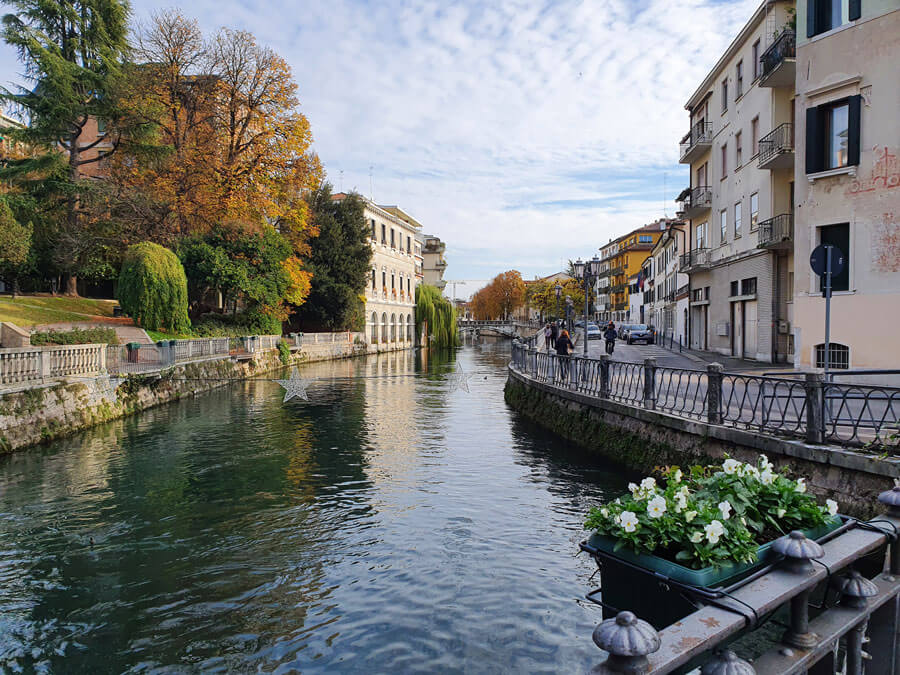
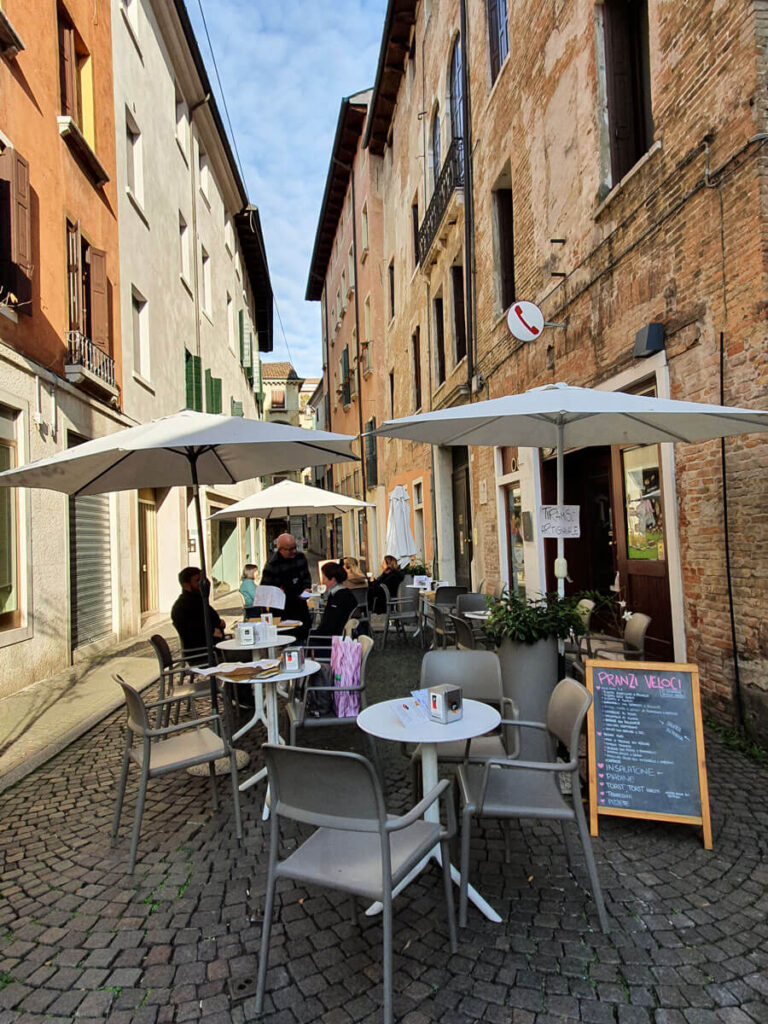
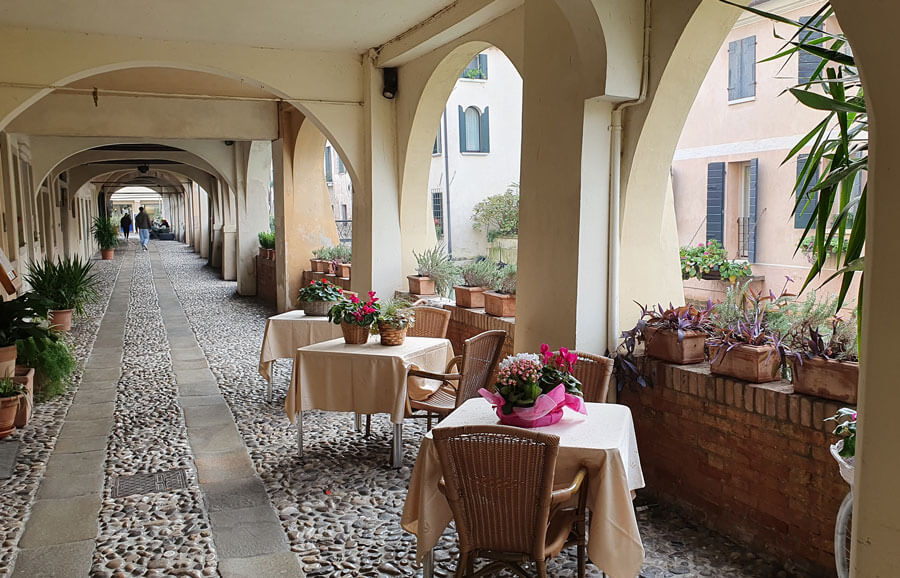
Rebuilt and restored after Second World War bombing, Treviso’s historic centre is a rambling maze of streets lined with arcaded pavements. Looking up, you’ll see fragments of the painted frescoes which once decorated many more of Treviso’s houses. The town is circled by a town wall and by waterways.
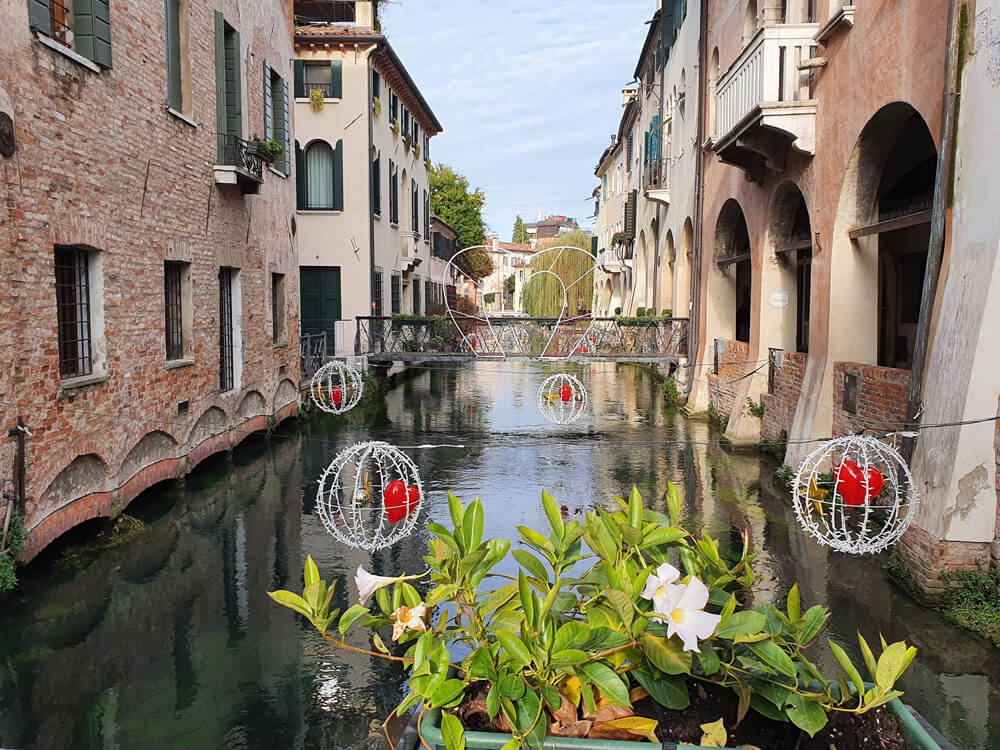
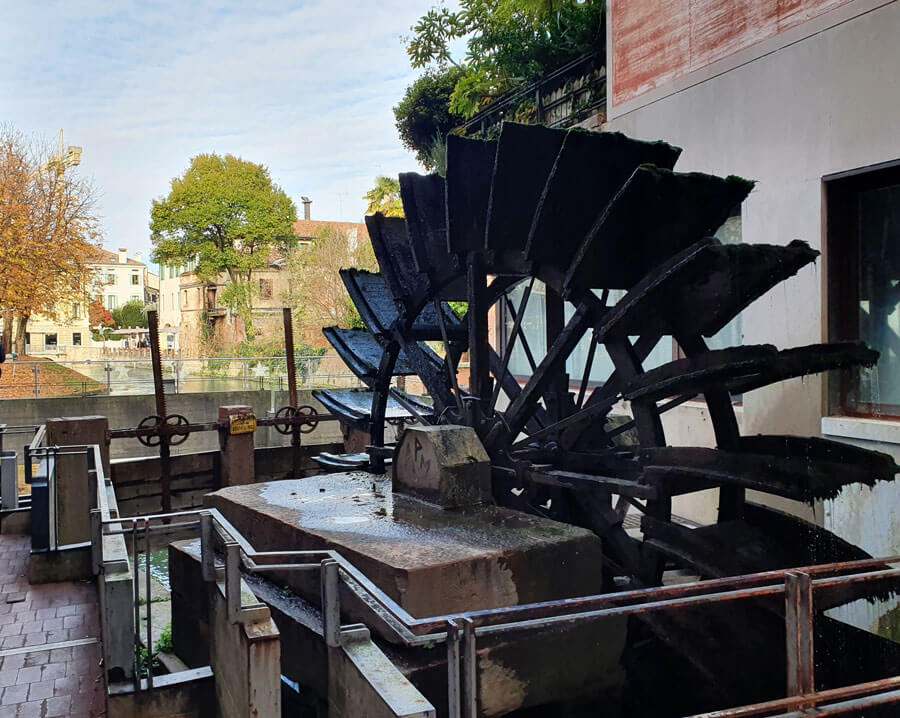
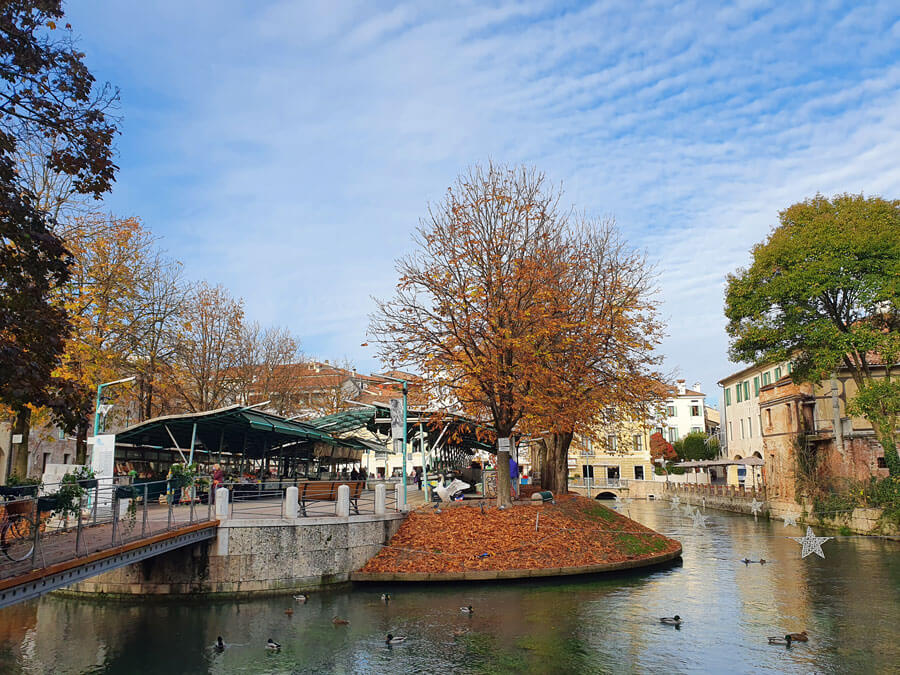
Treviso markets itself as a città d’acque and although it can hardly compare with its lagoon neighbour Venice, water is an important feature of Treviso’s townscape. The river Sile runs to the south of the centre, and several canals channel water around the town, lined with houses or grassy banks, weeping willows, waterwheels and little parks. The town’s defensive walls, moat-like encircling waters and imposing gateways are still impressive sights.
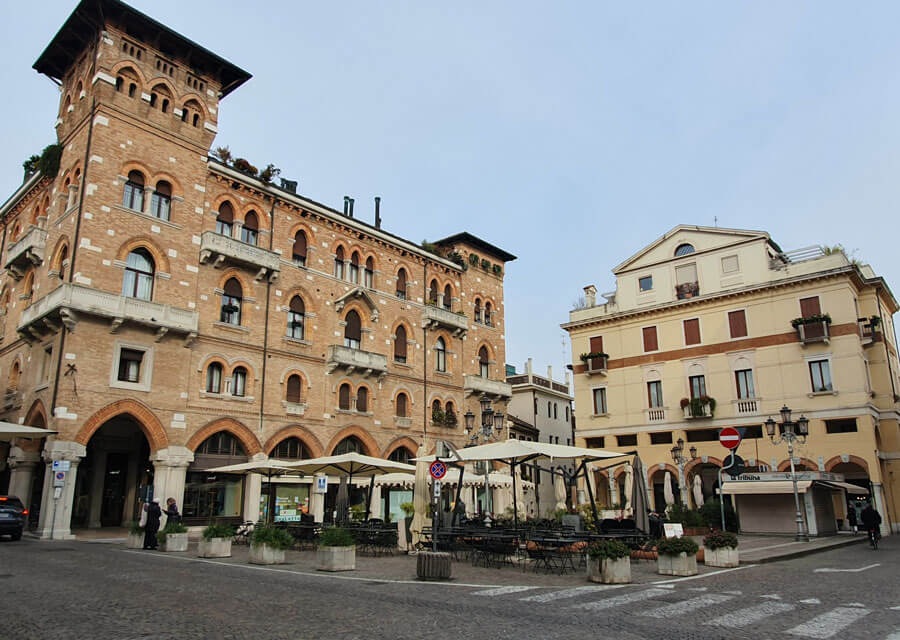
One of Treviso’s other notable features is its comfortable air of prosperity. The town is home to the clothing empire Benetton, which has a large store in Piazza Indipendenza in the town centre and owns the local rugby team. Unlike Venice, this town doesn’t depend on tourism – you won’t find tacky tourist shops, silly hats or bullying tour guides, just a well-off Italian town going about its daily business.
Find and book hotels. With location maps and guest reviews.
Why visit Treviso?
- Handsome town to wander through on foot
- Picturesque streets and canals
- Attractive and authentic local atmosphere
- Unspoiled by tourism and welcoming to visitors
- Good eating and shopping
- Art history to discover in churches and museums
- A good base for exploring the eastern Veneto region
How long to spend in Treviso – day trip or overnight base? – and my experience
I’ve always visited Treviso on day trips from my base in Venice, and never quite had time to do everything I’d like to. With an excellent art museum, time-consuming exhibitions, churches at opposite sides of town with tricksy opening hours, scenic strolls and watersides, photo opportunities, and restaurants where I’d love to pass a couple of leisurely and indulgent hours, there is a lot to fit into a visit.
So although it is a great day out, and I return whenever I can for an enjoyable few hours, Treviso would comfortably merit a longer stay of two or more nights. You could sample several of the town’s excellent eateries and bars, take in the sights at your leisure over a couple of days, and maybe enjoy an easy day trip to one of the other attractive destinations in easy reach by bus, train or car, such as Asolo or Venice (more suggestions further down this page).
Visiting Treviso: a tourist guide
From the station to the heart of the old town
The centre of Treviso is around ten minutes walk north from the railway station. For the most direct route, on leaving the station, follow the signs to the centro and walk along Via Roma, which crosses the River Sile and becomes Corso del Popolo. Along Corso del Popolo, I’d suggest stopping off at the IAT, Treviso’s tourist information office, in Piazza Borsa, on your right.
For a picturesque alternative route from the station, turn right when you reach the river and walk along Riviera Santa Margherita, before crossing at the next footbridge, towards a pretty waterside park. The covered pedestrian thoroughfare facing the bridge brings you out by the tourist information office.
Helpful staff at the tourist office should be able to supply you with a map and suggested walking routes for taking in the town’s attractions and canals. I’d recommend checking any important opening times for attractions you want to visit, particularly churches, whose hours are rarely advertised online and which often close for hours in the middle of the day (typically shut between 12 and 3.30pm). If you’re only in town for a few hours, it may make sense to head at once for one of the churches which closes at midday.
To continue to the heart of town, head to the left when Corso del Popolo forks, taking Via XX Settembre. This brings you to the town’s civic heart, Piazza dei Signori, an imposing square with a street running along one side and cafés with outdoor tables along the other. The dominant building here is the historic town hall, the Palazzo dei Trecento.
Seeing the sights of Treviso
Calmaggiore and around
Treviso’s smartest and busiest shopping street, Calmaggiore, stretches from Piazza dei Signori towards the Duomo (cathedral), between the lengthy rows of arches which characterise Treviso’s arcaded streets. From Italian chains to small boutiques, this and nearby streets offer good opportunities for shopping, particularly for clothing. Benetton’s flagship hometown store is close to Piazza dei Signori, in Piazza Indipendenza.
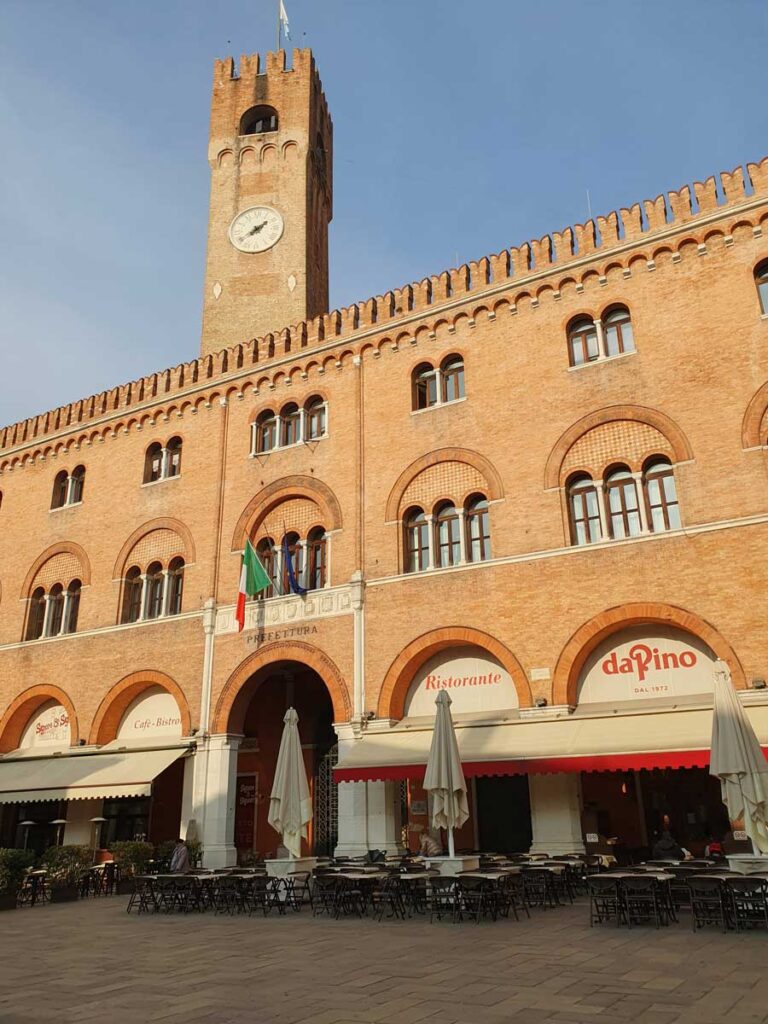
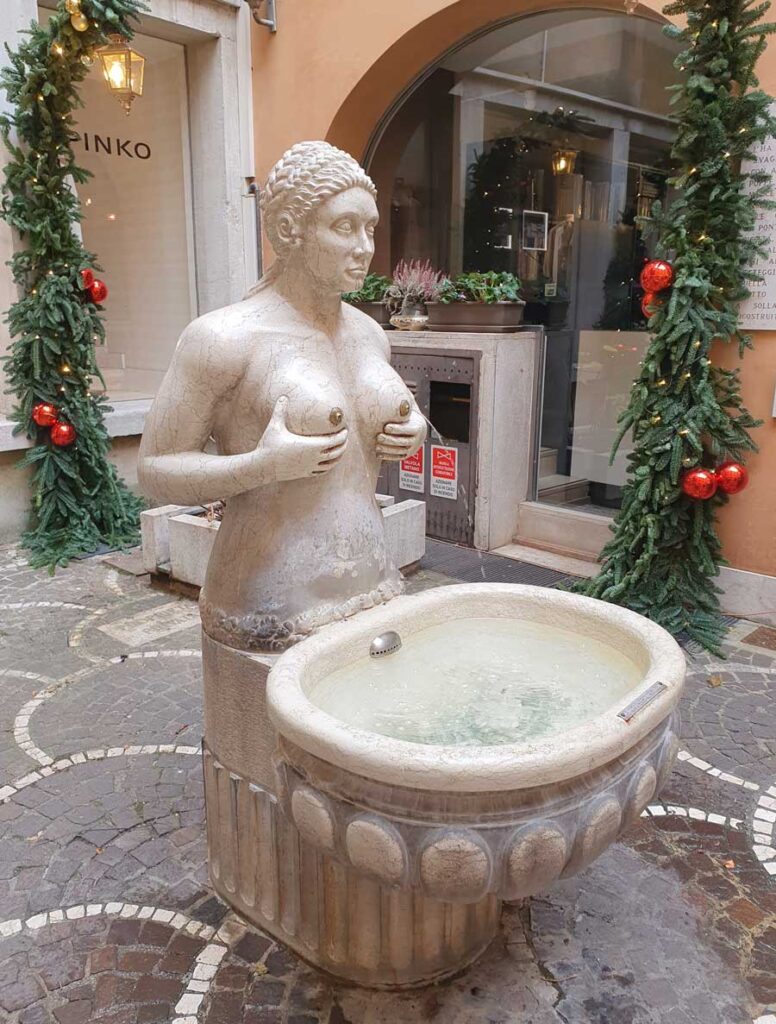
One of Treviso’s most iconic sights can be seen split between two locations near Piazza dei Signori. In the piazza itself, under the portico of the Palazzo dei Trecento where café tables are set out, you can see the original 16th-century statue from the Fontana delle Tette. The closest translation for the name of this drinking-water fountain is ‘Fountain of the Tits’. During public celebrations, red and white wine would spout from the breasts of this topless female sculpture.
A modern reconstruction now stands nearby in a little courtyard in a kind of low-key shopping mall – look for the Galleria della Strada Romana, leading off Calmaggiore. The fountain is a popular photo-opportunity as well as providing free drinking water (no wine these days). Look up at the wall of the Case degli Zignoli, facing the statue, too. There are some traces of the attractive frescoes once covering the walls, as well as an old pulley system.
Duomo
Treviso’s Duomo is older than it looks at first sight, with its tall neoclassical portico masking the older cathedral behind. A series of grand make-overs has had the effect of concealing much of the evidence of the building’s earlier history and older churches on the site. Some of the layout and the domes which can be seen from outside still record the building’s Romanesque incarnation, an era which is better preserved in the baptistry alongside.
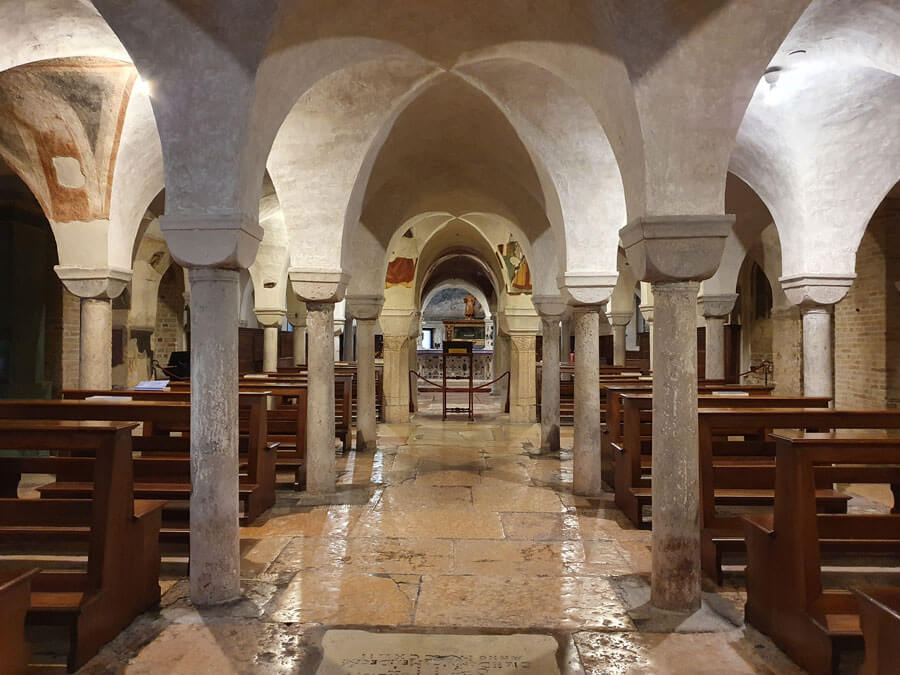
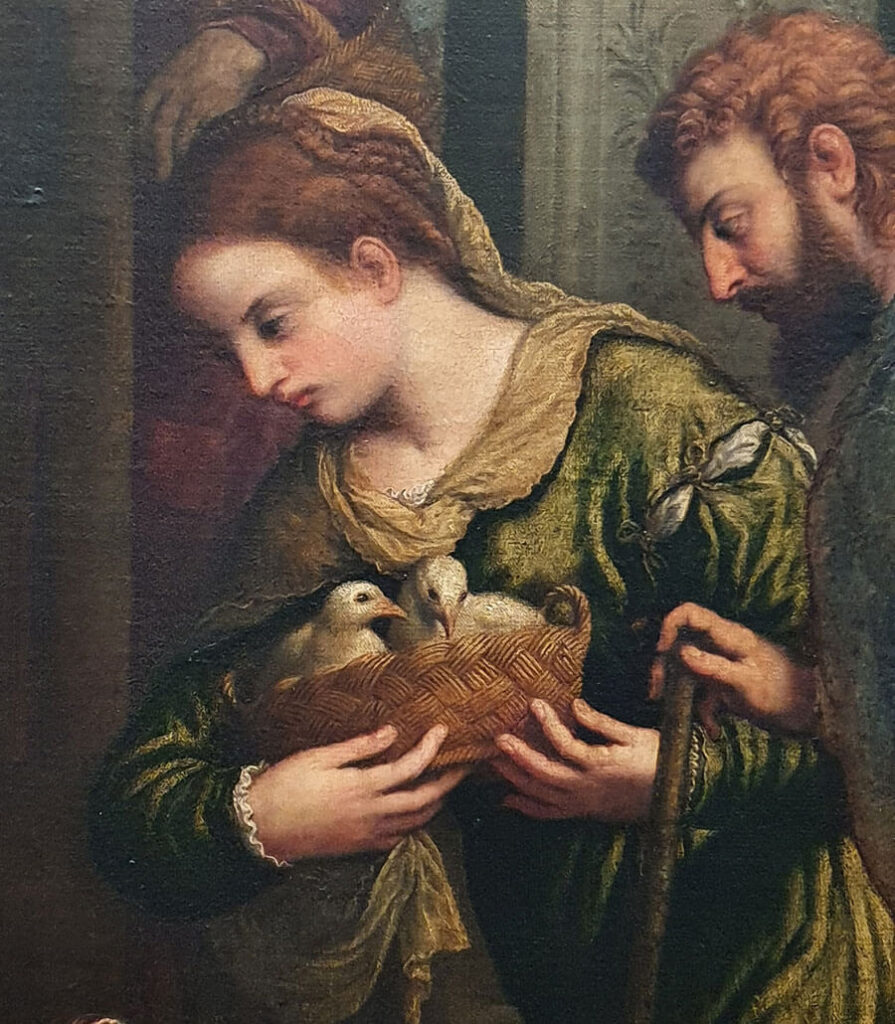
The most atmospheric part of the Duomo is its crypt, a columned space which contains fragments of coloured medieval frescoes, including several charming angels. Visitors may need coins to illuminate the crypt and the same for the fine Titian altarpiece in a chapel in the main church above, an Annunciation, which is the Duomo’s prize possession. Other artworks include an Adoration of the Shepherds by Paris Bordon (or Bordone), an artist of the later Renaissance who was born in Treviso in 1500.
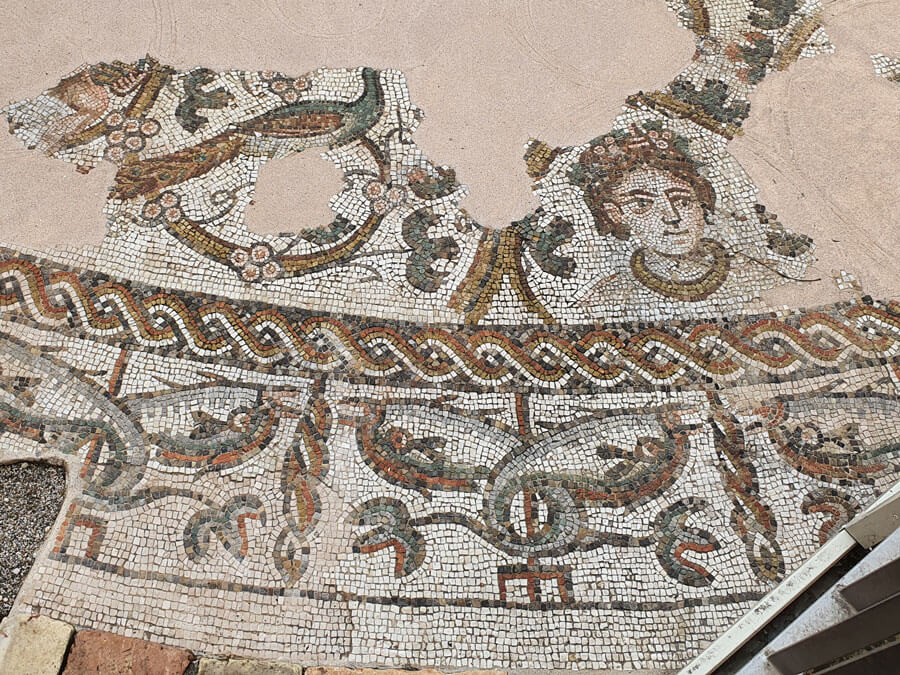
The immediate surroundings of the Duomo are interesting too; it’s worth taking a stroll around the atmospheric lane around the apse, where you’ll find the Diocesan Museum. Alongside the Duomo is an unexpected treat: a stretch of early Christian mosaic dated to the fourth century, fragmentary, open to the elements and delightful. I was also rather captivated by the very stylish window displays of a clerical vestment shop beside the church. Treviso is an elegant and classy town and that was reflected here.
Art at the Museo Santa Caterina
Treviso’s principal museum, unmissable for art-lovers, is the Museo Santa Caterina (closed Mondays). This former church and convent has been restructured to house the Civic Museum, the town’s art gallery and archaeological collection. As well as the fine artworks in the permanent collection, the galleries also sometimes host temporary exhibitions which can be worth travelling for.
Cloisters inside the entrance lead through to the church, decorated with patches of fresco which have been restored to vivid colour. Tomaso da Modena’s lovely St Ursula frescoes are displayed in the centre of the church. You’ll become familiar with the name of Tomaso (or Tommaso) da Modena as you tour Treviso. The fourteenth-century artist’s charming frescoes pepper the city’s churches and rank among the best art you’ll see here.
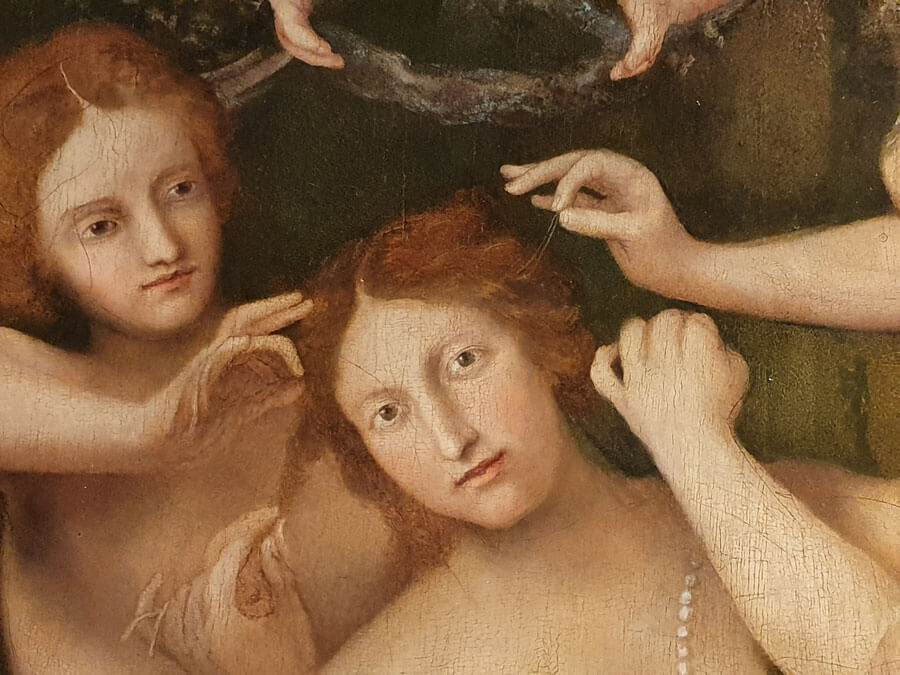
Back in the main part of the museum, there is an extensive archaeological section as well as galleries of art from the fourteenth to the eighteenth centuries. Treasures among the exhibits include Lorenzo Lotto’s Portrait of a Dominican and the elegant Venus Adorned by the Graces and Four Cupids by the same artist, a lesser-known work which was here on a long-term loan from a private collection when I last visited.
Madonnas by Giovanni Bellini and Cima da Conegliano and their workshops are among the early Renaissance masterpieces, along with a fine St Anthony Abbot by local Treviso artist Girolamo Aviani. An interesting contrast to the last painting is provided by a later fresco of the the same saint by Il Pordenone (Giovanni Antonio de’ Sacchis), illustrating the development in art between the late fifteenth and early sixteenth centuries.

Among the works of later eras which belong to the civic museums are paintings by Francesco Guardi, Rosalba Carriera, Sebastiano Ricci, Francesco Hayez and an unexpected English touch: a portrait of Antonio Canova by Thomas Lawrence. The more recent of these can be found in the Museo Luigi Bailo, which displays collections of nineteenth and twentieth century art, and sculptures by Arturo Martini.
Church of San Francesco
Treviso has a couple of churches which visitors may actually find more appealing than its Duomo. The Chiesa di San Francesco is a cool high brick structure with a massive ship’s keel roof. The decorative highlights are its faded medieval frescoes. In a chapel off the transept to the left of the main altar is a fresco by Tomaso da Modena of an enthroned Madonna with attendant saints – some of the colour has been lost but his faces retain their sweetness. The work is echoed less convincingly by another artist in the end chapel.
Church of San Nicolò
On the opposite side of town lies the striking Chiesa di San Nicolò, Treviso’s Dominican church. This is a fine example of Italian Gothic architecture, and looks as though it has been stretched upwards to the heavens.
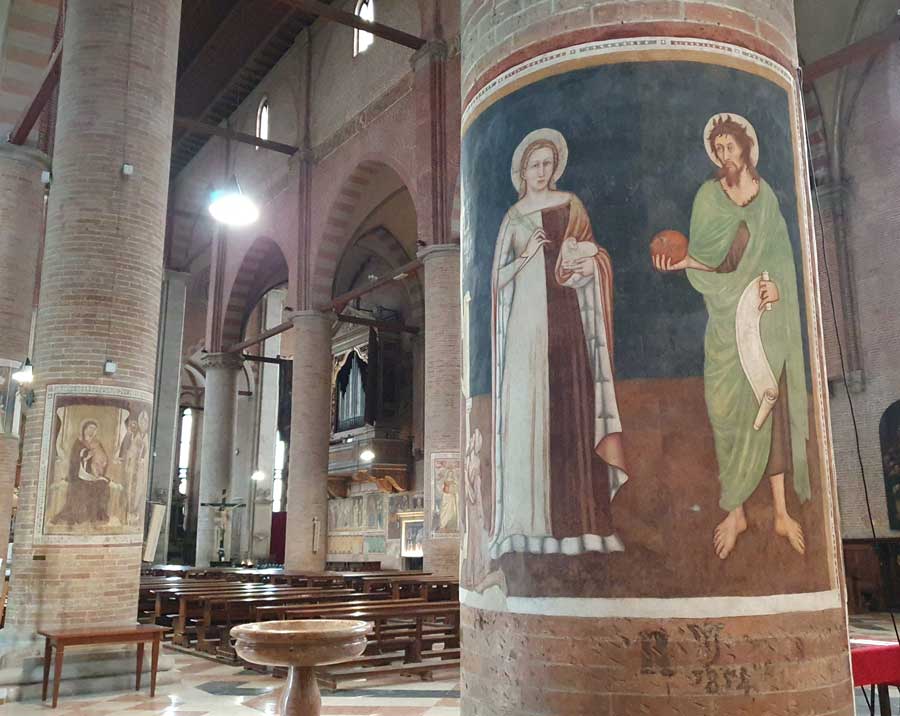
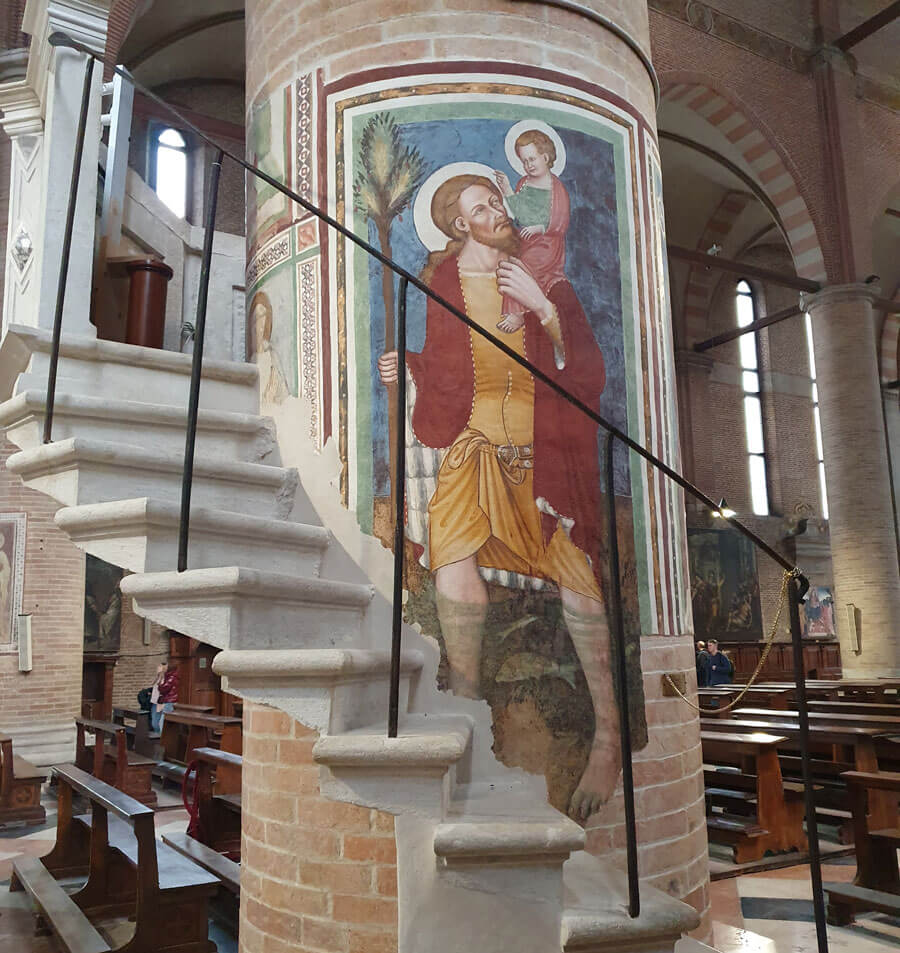
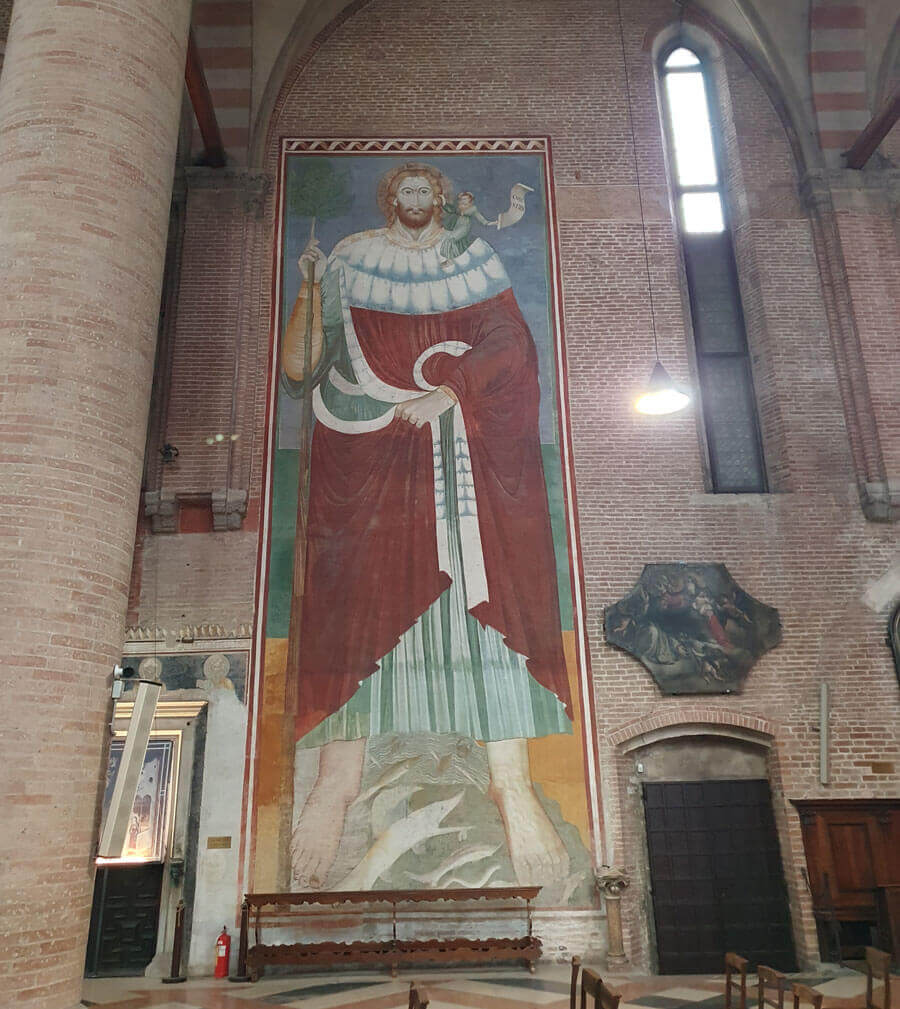
Tomaso da Modena left his mark here too, contributing figures including a San Gerolamo (St Jerome) to the prettily-decorated columns inside the church. Other highlights of the interior include a St Michael and two St Christophers: one on a column and the other a memorably gigantic 1410 wall-painting by Antonio da Treviso. In a town of waterways, perhaps the saint who carried travellers across a river had a particular resonance. Restoration work has given some of these frescoes a colourful glow-up.
The Renaissance monument on the left-hand wall of the sanctuary boasts fine sculptures within a frescoed surround. This has been attributed to various sculptors and painters, Lorenzo Lotto among the latter. Lotto is also said to have painted the lower part of the altarpiece in the Cappella Monigo, a chapel on the right, with the upper part by Sebastiano del Piombo. One of the men painted by Lotto is his local patron Bernardo de’ Rossi; three of the faces look decidedly peculiar and un-Lotto-like to me.
Sala del Capitolo
Next door to the church of San Nicolò is one of Treviso’s greatest artistic sights, almost hidden away: the Sala del Capitolo. Leaving the church, head left and enter the separate entrance to the Seminario Vescovile. Here you can ask for permission to visit the Sala del Capitolo, make a suggested donation (there’s a donation box) and follow signs or be escorted to a tranquil green cloister. Beyond this, through a doorway, you’ll find more Tomaso da Modena masterpieces. In the chapter house (Sala del Capitolo) of the monastery the artist painted a frieze of portraits of forty Dominicans at work and study.
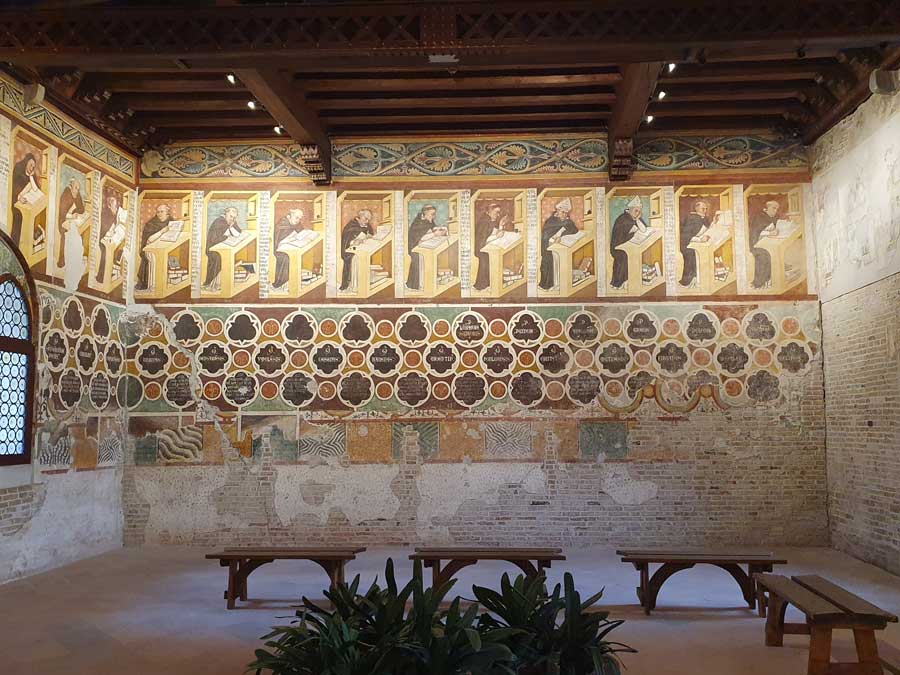
The paintings in the Sala del Capitolo, completed over the course of 1352, are a lovely series of images of named friars, bishops and popes – illustrious members of the Dominican order – writing manuscripts, studying, or looking utterly bored. Anyone who has ever sat an exam or been struggled with an essay will relate to the range of expressions and moods depicted in these paintings. These frescoes, too, have been recently restored and are gorgeously rich and vivid.
The portraits include what is thought to be the earliest depiction of anyone wearing spectacles. The spectacled prelate, identified as Cardinal Hugh of Provence, lived a century before Tomaso da Modena, and is unlikely to have worn spectacles. Glasses are thought to have been invented in the intervening decades in northern or central Italy, so would have been fairly new and local technology when the frescoes were painted.
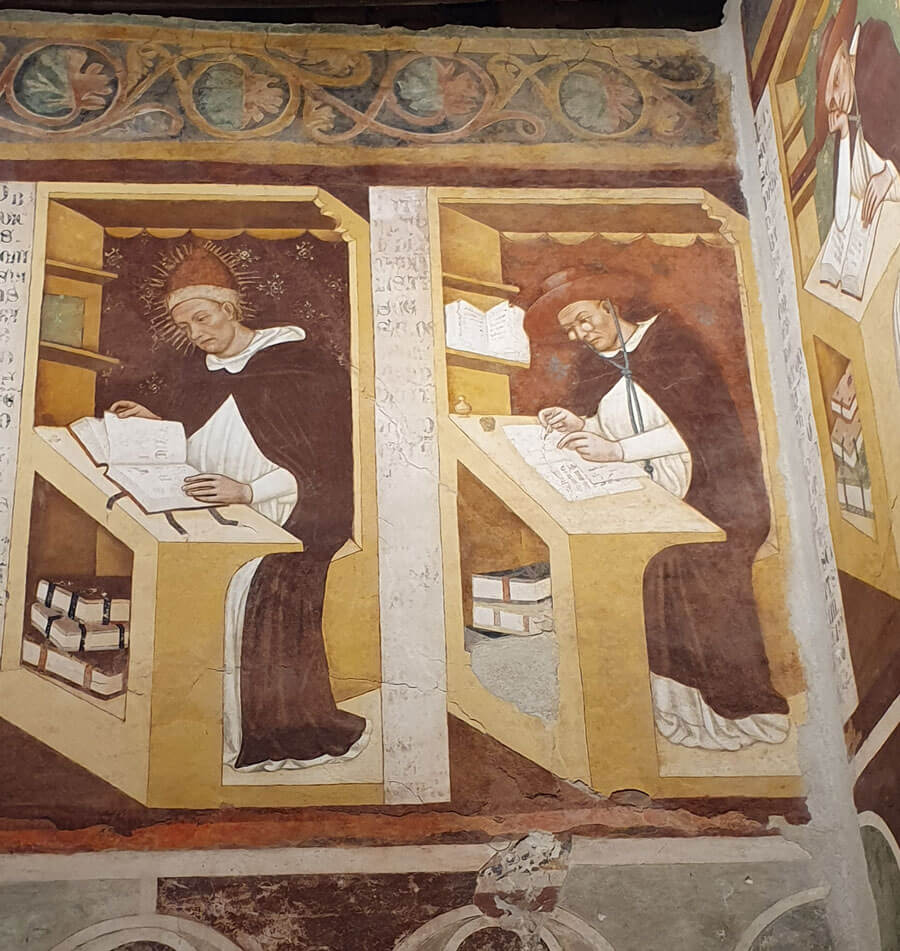
Visiting the Sala del Capitolo is a really special experience, especially if you are lucky enough to have it to yourself. It’s not just the quality of the painting but the connection back across seven centuries to these relatable humans depicted so compellingly. While these may not be actual life-like portraits of the historical figures named, they are still very real individuals. I find it fascinating to go around the room slowly, taking in the variety of cleverly-painted expressions and moods.
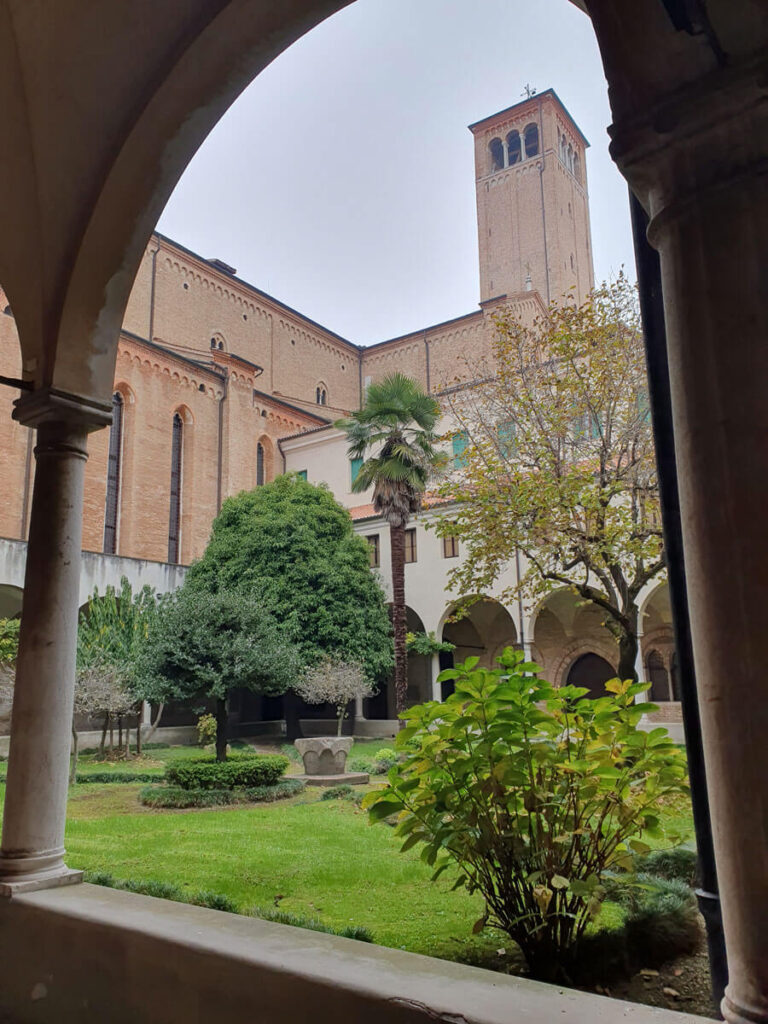
The cloister, too, is an atmospheric space; I stood and watched a jay flying to and fro among the greenery here. There’s a chance to peek through into the next cloister, which is closed to the public. Handily, there are toilets off the cloister.
Canals, viewpoints and wandering
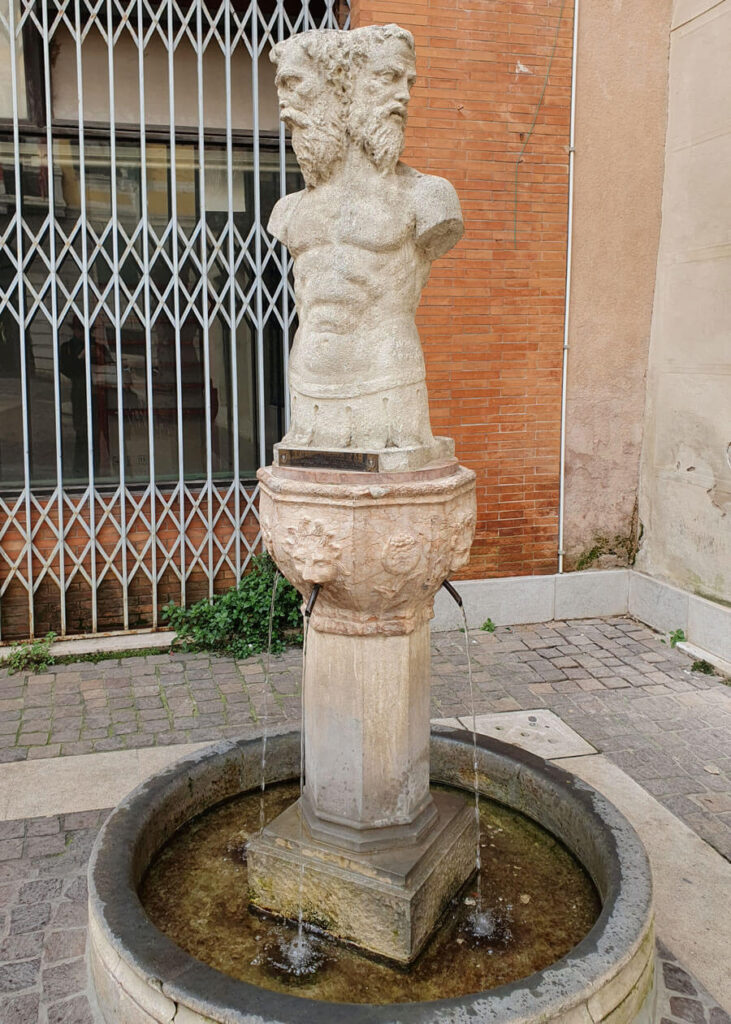
Other sights to look out for when strolling around Treviso include the quaint Fontana dei Tre Visi (Fountain of Three Faces) opposite the Comune on Via del Municipio. This is a small drinking water fountain topped by the sculpture of a male torso with three heads, a copy of an older statue. Apparently this gave source to an origin story for the name of the town (Tre Visi – Treviso). Actually the name comes from the earlier Roman town on the site: Tarvisium.
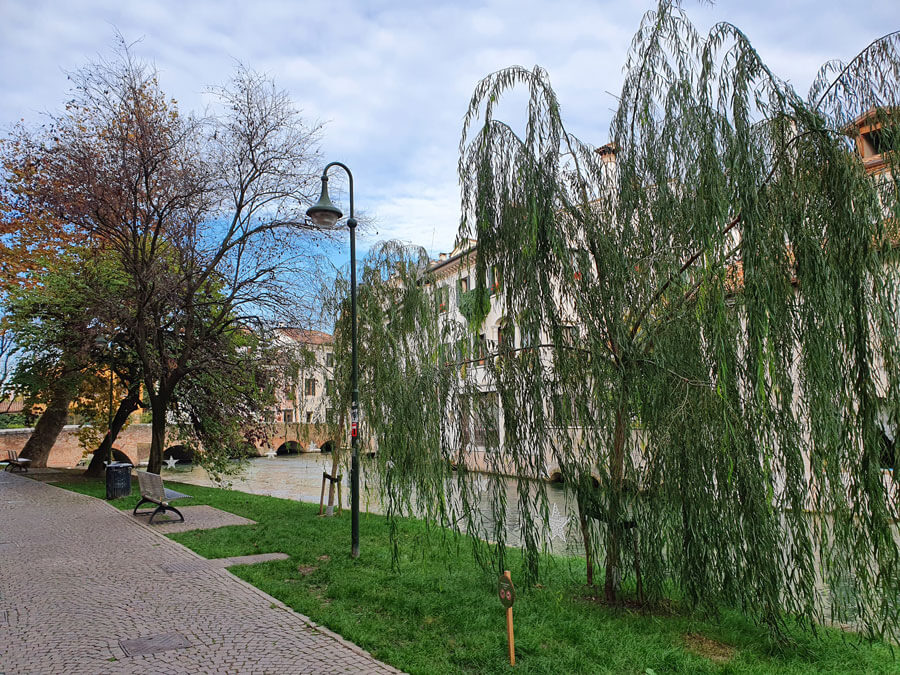
Treviso is a pleasant place to wander, with picturesque old buildings and glimpses of canals and rivers to take the wanderer by surprise. The engineered network of waterways is interesting to explore and I always seem to find myself stumbling across new and pretty views. The most handsome stretch of waterway is probably the Canale dei Buranelli, where weeping willows, bridges,arches and urban art all add to the charm. The artwork here by Mario Martinelli, one of several in Treviso, is a silhouette or ‘shadow’ representing Giovanni Comisso, a local writer, and his boat, the Bronsa.
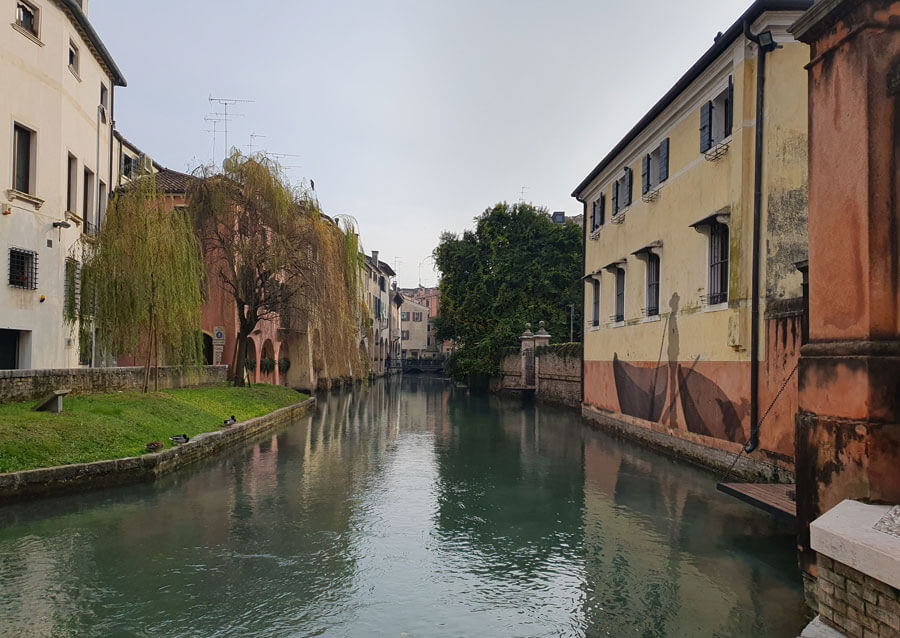
Another of the most characteristic views of Treviso can be found by the town fish market, which is on a little island, the Isola della Pescheria. The market has been located here since the 1850s, when it was moved for hygiene and to keep smells and noises further from the town residents. Nearby you can find one of the town’s famous water wheels.
Another attractive spot for a stroll, especially in fine weather, is the park on the town ramparts at Bastione San Marco, to the north-west of the centre. Outdoor summer events are held here.
Treviso has another, more specialised museum which may interest some travellers. The Museo Collezione Salce (limited opening days) is a collection of historic advertising posters, bequeathed to the State by Trevigiano Ferdinando Salce in 1962, the largest such collection in Italy. I haven’t yet visited the museum, which is spread between two bases, but it sounds fascinating for anyone with an interest in commercial art or graphic design.
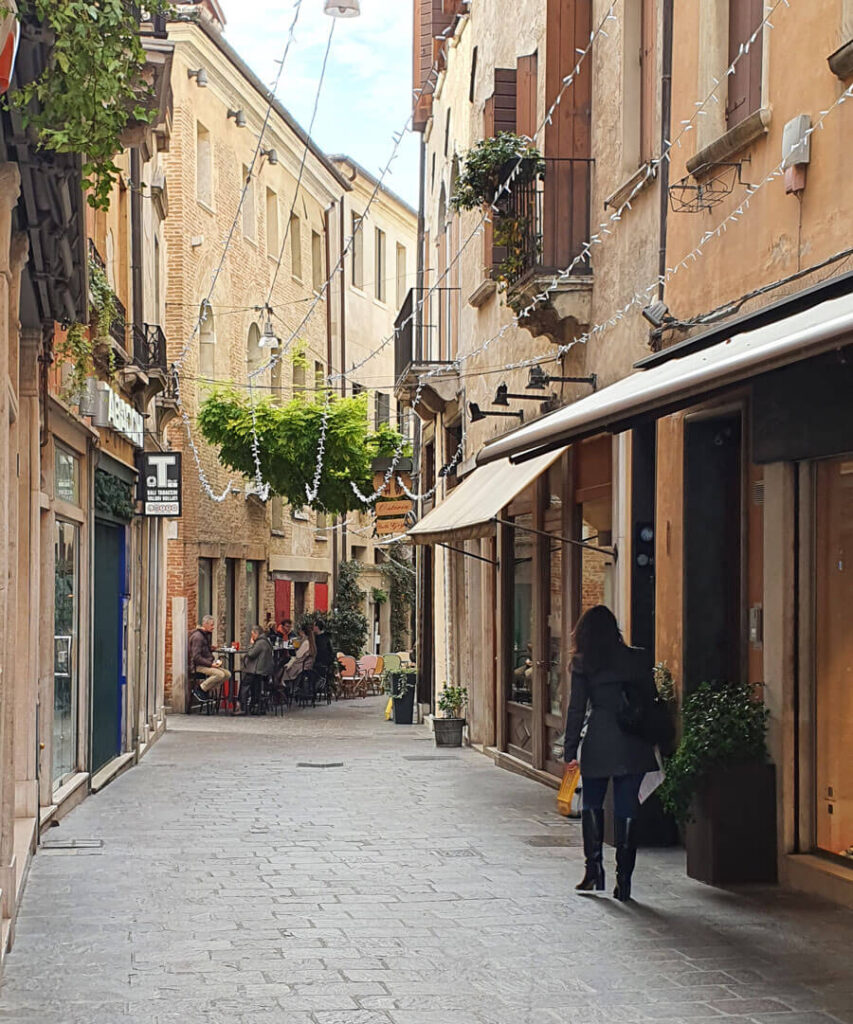
Food and drink
This part of the Veneto really knows how to treat itself well when it comes to food and drink. Sparkling Prosecco is a speciality of the nearby hills, while red and white wines are also produced locally, including Cabernet, Merlot and Pinot Grigio.
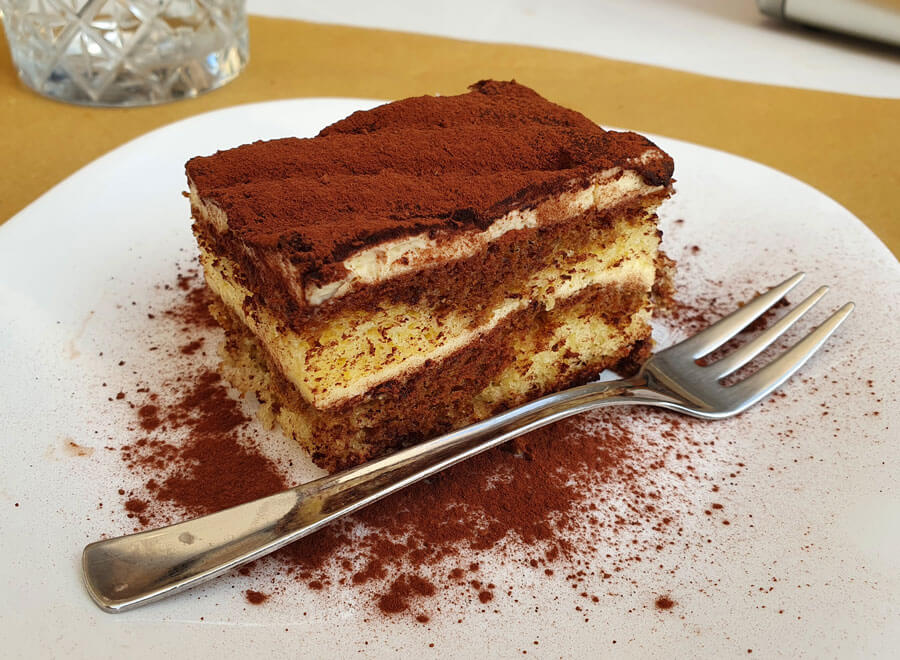
Treviso is one of the claimed birthplaces for the Italian-restaurant staple dessert tiramisù (which means pick-me-up). Whether or not it really originated here, tiramisù can be enjoyed in many variations throughout Treviso. There is even an annual Tiramisù World Cup held here (I was delighted to get this event featured on the BBC’s Clive Myrie’s Italian Roadtrip when I worked as a consultant for the series). Why not undertake a comparison yourself and make a mission to sample several during your stay?
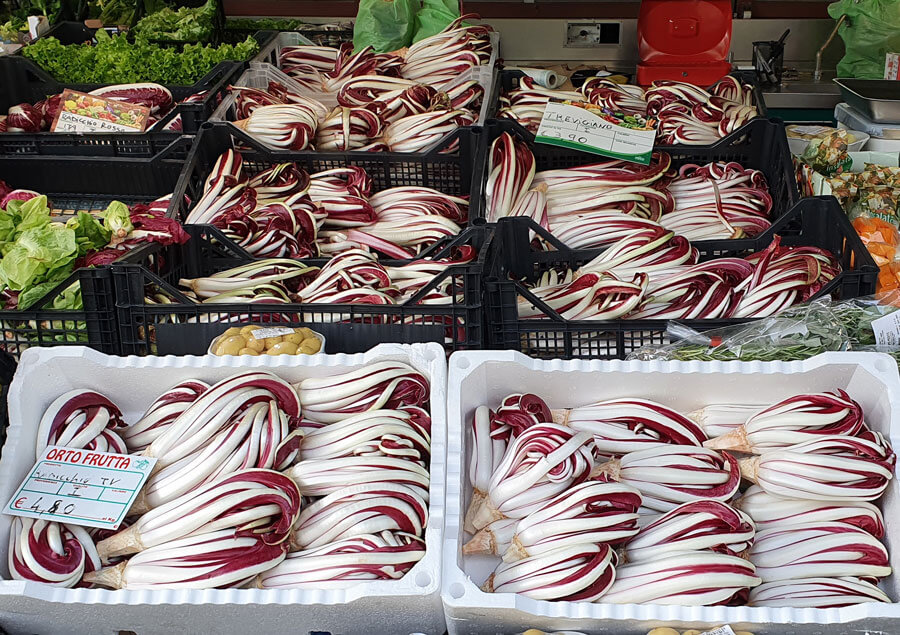
For Italian foodies, one of Treviso’s most prized food products is radicchio di Treviso, a leafy red kind of chicory with a somewhat bitter flavour. When in season (autumn/winter) radicchio features heavily on local menus, often combined with northern-Italian cheese gorgonzola and perhaps walnuts in a gnocchi or risotto dish, or on pizza.
There’s a good, though not vast, choice of restaurants and other places to eat and drink in Treviso. These mostly cater for local people and not just tourists, so you can expect reasonable prices, authentic local dishes and good food. I’ve never had the time for a proper sit-down meal in Treviso but promising options include the Osteria alla Grotta (Via Cornarotta), which serves regional specialities and seafood, and the Hostaria Antica Contrada delle Due Torri (Via Palestro).
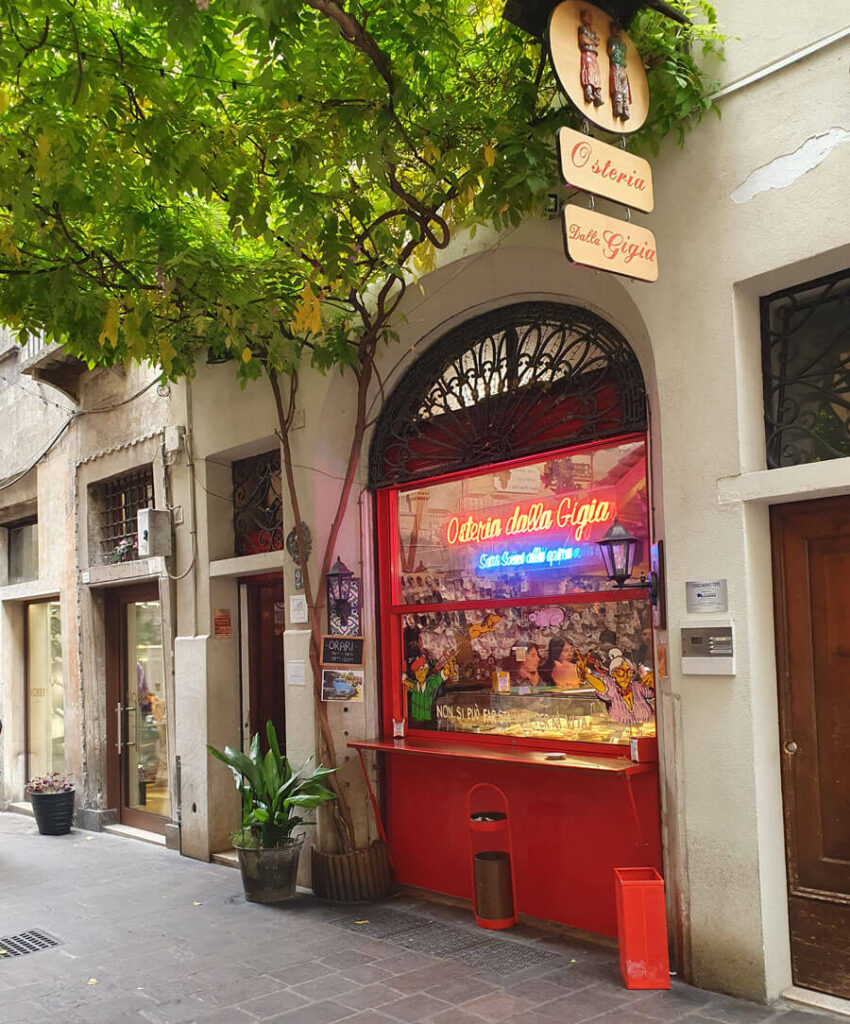
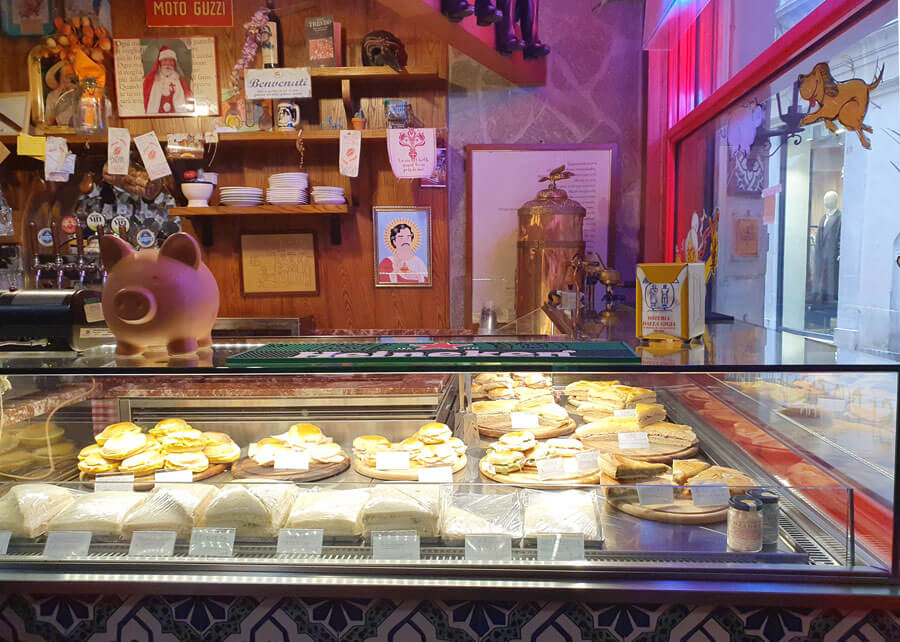
For a light lunch or refuelling snack when on the go, I enjoyed joining the locals at the popular Osteria dalla Gigia. This friendly and unpretentious bar (no services, just a counter) is down the picturesque lane Via Barberia, off Piazza dei Signori. You’ll find small, delicious filled rolls and sandwiches, their famed mozzarella in carrozza and cheap local wines and spritz along with eccentric décor.
Gelato-lovers visiting Treviso’s sights will find a handily-located branch of the Italian chain Gelateria La Romana close to the Duomo on Viale Cesare Battisti. You’ll find a good range of interesting products and flavours, as well as some seating. Dassie Gelato, on Via Sant’Agostino near the Museo Santa Caterina, is another popular option which is next on my list to try.
Rugby in Treviso
Treviso is a rugby town, the home to Benetton Rugby (Benetton Treviso), frequently Italian champions. At the time of writing the team are playing in the United Rugby Championship, against teams from Scotland, Wales, Ireland, South Africa and Italy. Home matches are played at the Stadio Comunale di Monigo, just outside Treviso to the north-west, connected with the town centre by bus line 9.
Where to stay in Treviso
Treviso has a good choice of places to stay, and it’s cheaper than some of the more famous destinations in the region.
- Hotels, B&Bs and apartments in and around Treviso
- Selected highlights:
- Locanda Ponte Dante – in a historical canalside building in the old town
- Residenza Ca’ Fe – smart modern rooms and balcony views – a good central choice
- B&B Hotel Treviso – decent budget chain, on the eastern side of the centre, near the Duomo
- Hotel Continental – a low-cost option which is very convenient for both the station and the centre
- Ai Bastioni Boutique Hotel – stylish hotel conveniently-located for the station or parking, just over the river from the heart of town
- Leoni di Collalto Palace – comfortable apartments in a historic building in the centre
Accommodation links on this website are affiliate links: if you make bookings through these you will be supporting this website without paying any extra. If you’ve found my destination guides helpful, please consider using or bookmarking my affiliate links, or buying me a coffee to help keep this website online. Thank you!
Practical tips
As is normal in Italy, Treviso’s churches are usually closed for hours at lunchtime, and the tourist information office generally closes (more briefly) for lunch too. Expect the tourist office to reopen around 2pm, the churches at around 3.30pm. Treviso’s centre is comfortably walkable, but its principal sights are spread around the points of the compass. So if you have must-sees and limited time, it’s worth double-checking opening hours in advance and thinking a bit about logistics.
Treviso transport
Treviso is a good base for a car-free break, as the centre is small enough to be manageable on foot. The town is well connected by public transport: air, rail and bus.
Treviso has an international airport, which is served by Ryanair with budget flights from the UK and other European countries. Ryanair label the airport ‘Venice Treviso’ and the majority of travellers hop straight on the bus to Venice, ignoring the hopeful Treviso publicity posters around the airport. A bus run by local firm MOM (number 6) stops on Via Noalese outside the airport and runs to Treviso railway station. Tickets can be bought either in the airport or on the bus.
> Treviso Airport
Treviso has frequent rail and coach connections from Venice. The train is faster, taking half an hour from Venice’s Santa Lucia station, and it’s cheap too. The railway station, as described above, is about 10 minutes walk from the heart of town. Bus service 8E between Venice and Treviso is run by MOM/ACTV, and takes around an hour (depending on traffic). Treviso has a bus station (autostazione) close to the railway station.
Buses serving the town and surrounding area are run by MOM (Mobilità di Marca). Brusutti and ATVO run services into the Dolomites for those extending their trip into a mountain holiday.
Things to do around Treviso
Treviso is in easy reach of Venice for day trips. Vicenza and Padua (Padova) can be reached in around an hour by train, and Verona is two hours’ train journey away.
Beautiful hilltop Asolo is one of the lesser-known jewels of this part of Italy, and is within the Province of Treviso (transport by rail/taxi or by buses). Castelfranco Veneto, birthplace of the painter Giorgione, is half an hour away by train, and Conegliano, another handsome little town on the edge of the hills, is an even shorter journey by direct trains.
The Veneto’s Palladian villas are also great destinations for those with an interest in architecture. If wine or rural landscapes are more to your taste, travellers with cars may like to include Asolo or Valdobbiadene in a tour of the Prosecco-producing hills of the Veneto.
When to visit Treviso
Treviso is really an all-year-round destination. Like the Veneto region in general, the town is cold in winter and hot in summer. Its covered arcaded walkways help to provide shade and shelter from sun or bad weather. The shops and restaurants can make it a cosy place in autumn and winter as well as a good destination for some Christmas shopping. And of course in winter you may find good bargain flights and good-value accommodation. The proximity of the Dolomites means you could combine a city break with a ski or walking break in the mountains.
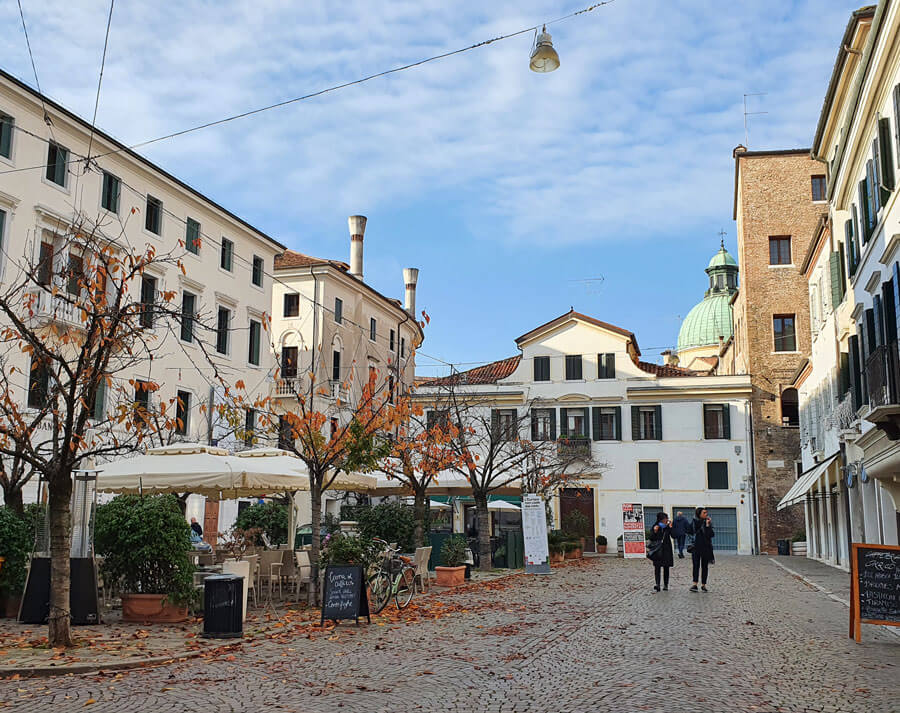
Most of the photos on this page were taken over a couple of November visits, and given an idea of Treviso as the autumnal leaves begin to fall; atmospheric.
On this site
Veneto art & architecture itinerary
Useful external links
A day in Treviso: travel blog & video
Veneto destinations
- Veneto region
- Abano Terme
- Asolo
- Bassano del Grappa
- Brenta Canal
- Caorle
- Castelfranco Veneto
- Chioggia
- Cittadella
- Concordia Sagittaria
- Conegliano
- Cortina d’Ampezzo
- Lido di Jesolo
- Malcesine
- Marostica
- Monselice
- Montegrotto Terme
- Padua
- Portogruaro
- Rovigo
- Sottomarina
- Treviso
- Venetian Lagoon
- Venice
- Verona
- Vicenza
- Veneto art & architecture itinerary
- Veneto villas – Vicenza: La Rotonda & Villa Valmarana ai Nani
- Veneto villas – Villa Pisani & Villa Foscarini Rossi, Strà
- Venice Airport
- Treviso Airport